Everyone loves to talk about bubbles. It is the favorite pastime of financial pundits, Twitter gurus, and your cautious uncle at Thanksgiving. Right now, the target is Artificial Intelligence.
“It’s the Dot Com bust all over again,” they warn. “It’s 1999. The crash is coming.”
And they might be right. Eventually.
But here is the paradox that most investors miss: Spotting a bubble is easy. Knowing when to leave the party is the hard part. And more importantly, refusing to attend the party at all because you are afraid of a hangover is a guaranteed way to miss out on life-changing wealth.
If you are avoiding AI stocks today because you fear a bubble, you aren’t “playing it safe.” You are engaging in a different kind of risk: the risk of missing the most explosive wealth-generation phase of a technological revolution.

1999 vs. Today: The “Vaporware” Difference
The comparison to the Dot Com bubble is lazy analysis. Yes, the charts look parabolic, and yes, everyone is talking about it. But the fundamentals are radically different.
In 1999, the market was bidding up companies like Pets.com—businesses with no revenue, no path to profitability, and metrics based on “eyeballs” rather than dollars. It was a bubble built on hope and vaporware.
The AI rally today is being led by the most well-capitalized, profitable companies in the history of capitalism.
- Then: Tiny startups burning cash to buy Super Bowl ads.
- Now: NVIDIA, Microsoft, and Google—companies sitting on fortresses of cash, printing billions in free cash flow every quarter.
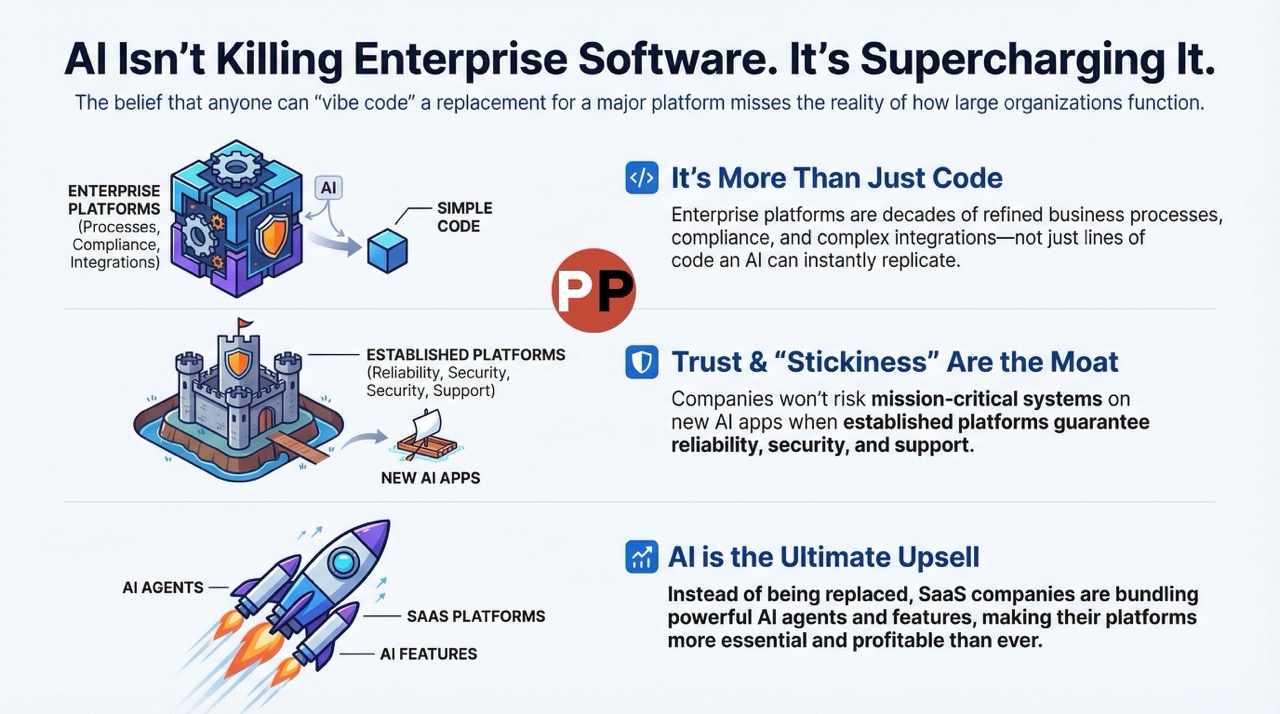
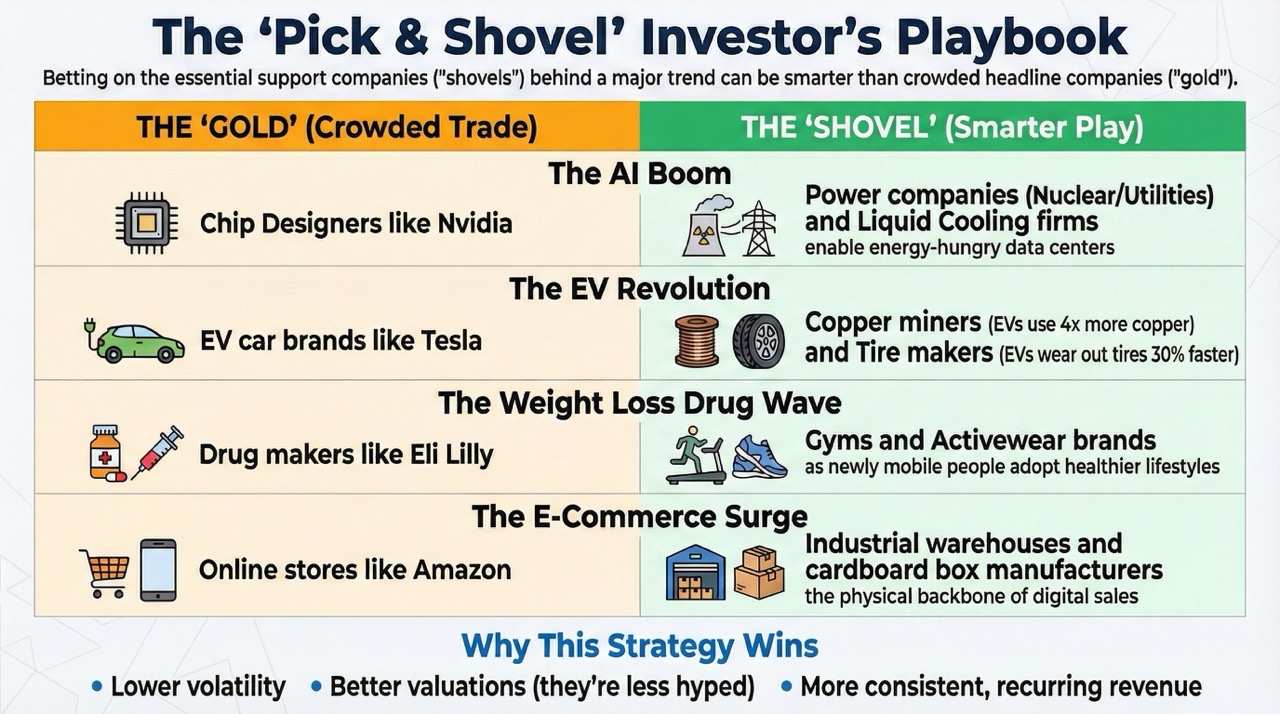
Are there small, speculative AI “wrapper” companies that will go to zero? Absolutely. That segment of the market is indeed in a speculative mania. But the heavyweights driving the indices are not selling vapor; they are selling the shovels for the biggest infrastructure build-out since the internet itself.
The Wrong Question
Most investors ask: “Are we in a bubble?” This is the wrong question. It’s binary. It implies that if the answer is “yes,” you should sell everything and hide in cash.
The right question—the profitable question—is: “Where are we in the bubble’s lifecycle?”
Bubbles have stages: Displacement, Boom, Euphoria, Profit-Taking, and Panic. The “Euphoria” phase (often called the “Melt-Up”) is where the majority of the cycle’s gains are made. In the Dot Com era, the Nasdaq rose 85% in 1999 alone. If you exited in 1998 because valuations “looked stretched,” you missed the single greatest year of returns in a generation.
We are seeing a massive build-out of infrastructure. This takes years, not months. If we are in the equivalent of 1996 or 1997, selling now to avoid a crash that might happen in 2027 is a financial tragedy.
The Cost of Premature Fear
In the pursuit of Financial Independence, opportunity cost is just as deadly as capital loss.
If you sit in cash earning 4% while the sector driving the market returns 40% a year for three years, you have set your retirement date back by a decade. You are paying a “fear tax.”
The paradox is that by trying to avoid volatility, you are guaranteeing mediocrity. You cannot compound your way to freedom by sitting on the sidelines during the inflation phase of a secular trend.
How to Dance Near the Exit
So, how do you invest in a potential bubble without getting destroyed when it bursts? You don’t operate on feelings; you operate on rules.
You must separate the narrative from the price action.
1. Ride the Inflation, But Keep Your Parachute: Invest in the trend. Capture the upside. But do not “buy and hold forever.” Use Trailing Stop-Losses. If a stock is up 100%, set a trailing stop at 15% or 20%. If the bubble keeps inflating, your stop rises with it, locking in more gains. If the bubble bursts, the market takes you out automatically. You might lose the top 15%, but you keep the 85% ride up. Don’t set the stop-loss too high. Read this post to understand how market manipulation can get you.
2. Watch the Data, Not the Headlines: Bubbles burst when the underlying reality can no longer support the valuation.
- Watch Margins: Are the big AI spenders (customers) seeing a return on investment?
- Watch Acceleration: Is earnings growth slowing down while the stock price speeds up? That divergence is your signal. Until then, if earnings are growing as fast as the stock price, it’s not a bubble—it’s a repricing.
3. Size Your Bets You don’t need to put 100% of your net worth into speculative small-cap AI stocks. Keep your core portfolio in diversified indices, and use a “satellite” portfolio for the high-growth theme. If the bubble bursts, it hurts, but it doesn’t kill you. If it runs for another three years, that satellite portfolio could double your net worth.
The Bottom Line
History is written by the victors, but wealth is built by the participants. The AI revolution is happening. We might be in a bubble. We might be in the early innings. We might be in both simultaneously.
Don’t let the fear of a potential ending stop you from profiting from the journey. The market rewards those who manage risk, not those who avoid it entirely.
Invest. Set your stops. And enjoy the ride.